
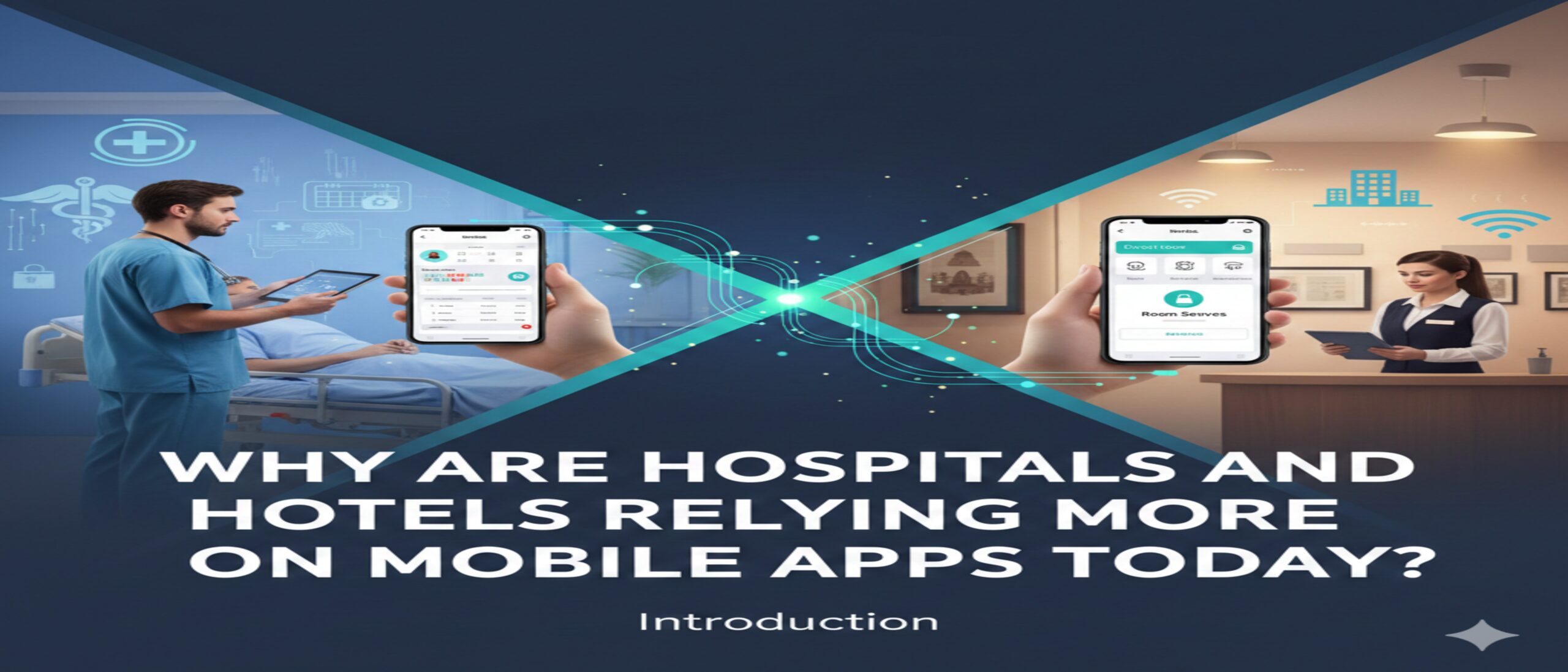
In today’s world, one thing is clear: mobile apps have become the heartbeat of every major service industry. Whether you’re scheduling an appointment at a hospital or reserving a room at a hotel, mobile apps are now the first point of contact. But why has this shift happened so quickly? The simple answer is convenience, but the deeper reasons stretch far beyond that. Both hospitals and hotels operate in fast-paced environments where timing, accuracy, and customer satisfaction matter more than ever. The rise of mobile apps has given these industries a powerful way to simplify operations, improve communication, and deliver better experiences without overwhelming their staff or customers.
For hospitals, the demand for quick access to medical services has grown dramatically. Patients want instant appointment booking, digital prescriptions, virtual consultations, and real-time updates without waiting in long queues. On the other side, hotels face a new generation of travelers who prefer personalized, digital, and contactless experiences—from mobile check-ins to smart room controls. As a result, mobile apps have become an essential tool for adapting to modern expectations.
What makes this transformation even more interesting is that both hospitals and hotels share a common goal: improving service efficiency. They may operate in completely different industries, but both depend heavily on organized systems, timely responses, and personalized services. With mobile apps, these needs are easier to meet than ever before. Mobile technology bridges the gap between service providers and users, creating a smoother and more responsive experience.
Another key reason behind this growing trend is the impact of digital habits. Today, people use their smartphones for almost everything—shopping, banking, socializing, navigation, and entertainment. So when it comes to health services or travel experiences, they naturally expect the same level of digital convenience. Mobile apps make it possible for hospitals and hotels to stay relevant, competitive, and efficient in a world where speed and accessibility rule.
This article will dive deep into why hospitals and hotels are relying more on mobile apps today, exploring the benefits, technological shifts, and future possibilities shaping their transformation. Get ready to discover how a simple app is reshaping two of the world’s most essential service industries.
Growth of Mobile Apps in Service-Based Industries
The rise of mobile apps in service-based industries didn’t happen overnight. It began gradually as smartphones became more powerful, internet access became universal, and user behavior shifted from desktop browsing to mobile-first interactions. Today, most people rely on their phones for essential tasks, making mobile applications the natural next step for industries that serve large numbers of people daily. Hospitals and hotels, in particular, began noticing a significant shift in how customers preferred to interact. Instead of phone calls or physical visits, users increasingly wanted instant access to services through their screens.
One of the biggest reasons behind this shift is the growing expectation for speed and efficiency. People no longer want to stand in queues, wait on hold, or fill out lengthy forms. In the past, hospitals struggled with overcrowded waiting areas, and hotels dealt with long check-in lines and customer service delays. Mobile apps offer a frictionless alternative, allowing users to complete common tasks—like booking appointments or selecting room services—in just a few taps. This ease of use has made mobile apps a game-changing tool for both industries.
Another factor contributing to the growth of mobile apps is the desire for transparency and control. Today’s customers want to be informed, empowered, and in charge of their experience. Hospitals use apps to provide quick access to medical results, appointment histories, and health records. Meanwhile, hotels use apps to give guests control over their bookings, amenities, and even room preferences without requiring staff assistance. This shift not only enhances customer satisfaction but also reduces the workload on employees.
Additionally, the push toward digital transformation has encouraged service-based industries to invest heavily in mobile app development. Innovations like push notifications, digital payments, in-app messaging, and self-service options provide a seamless way to improve interactions. For hospitals and hotels operating under tight schedules and high customer flow, this level of automation brings enormous value.
Ultimately, mobile apps have become the backbone of modern service industries because they offer efficiency, personalization, and convenience—all essential elements for staying competitive in an increasingly digital world.
Importance of Mobile Apps in Modern Operations
Mobile apps have become more than just optional tools—they are now the operational backbone for many hospitals and hotels. Their importance lies in their ability to merge efficiency, user satisfaction, and automation into one smooth-flowing system. In the past, both industries relied heavily on manual processes. Hospitals required paper-based appointment systems, in-person visits, and physical document handling. Hotels depended on human interaction for every step of the guest journey, from reservations to check-outs. These processes were not only time-consuming but also prone to errors, delays, and miscommunication.
Mobile apps revolutionized this outdated structure by introducing seamless, real-time operations. Today, hospitals use apps to automate appointment bookings, provide digital health updates, share lab results, and streamline doctor-patient communication. This shift helps reduce administrative burdens and minimizes chances of misplaced files or misinterpreted instructions. Hospitals can now provide uninterrupted services while staying organized, which is crucial in environments where time is often a matter of life and health.
Hotels, on the other hand, benefit from apps that improve guest convenience and operational control. Travelers can browse rooms, make bookings, check-in digitally, unlock their rooms, request services, and even check out—all from their smartphones. This eliminates long lines at front desks and enhances the guest experience by offering greater freedom and self-service options. For hotel staff, mobile apps mean fewer manual tasks and more focus on providing quality service rather than handling repetitive administrative work.
Mobile apps also play a vital role in maintaining accuracy. With automated data entry, digital histories, and real-time tracking, the margin for human error decreases significantly. Hospitals can keep accurate patient records, while hotels can monitor occupancy, service requests, and guest preferences with precision. This reliable system reduces operational chaos and allows both industries to function smoothly under pressure.
In modern operations, speed is everything. Mobile apps bridge the gap between users and services, offering instant access to information, service tracking, and effective communication. They allow hospitals and hotels to operate with greater agility, reduce bottlenecks, and provide a high-quality digital experience that aligns with customer expectations.
Convenience: The Biggest Reason Behind Mobile App Adoption
Convenience is the driving force behind the massive shift toward mobile apps in both hospitals and hotels. In a world where people rely on their smartphones for almost every daily task—from ordering meals to managing finances—it’s only natural that essential services like healthcare and hospitality move in the same direction. Convenience isn’t just a trendy feature anymore; it’s a necessity. Users want services that save time, eliminate stress, and provide instant solutions. Mobile apps deliver all of this, creating an experience that traditional methods simply cannot match.
Think about how frustrating long lines can be. Whether you’re at a hospital waiting to register for an appointment or at a hotel front desk waiting to check in after a long trip, delays create unnecessary stress. Mobile apps cut out these delays completely. With a few taps, a patient can schedule a consultation without making a phone call, and a traveler can check into a hotel room without waiting for staff assistance. This level of instant access is one of the biggest reasons people prefer app-based services.
Mobile apps also make navigation easier. In hospitals, patients often struggle to understand where they need to go or which documents they must bring. Apps simplify this by offering reminders, digital instructions, and sometimes even indoor navigation features. Meanwhile, hotel guests can browse amenities, explore dining options, and request services without having to interact with staff or search the property for information. This self-service approach gives users more independence and eliminates confusion.
Another dimension of convenience comes from continuous availability. Traditional customer service channels operate within specific hours, but mobile apps are available 24/7. Whether it’s a midnight medical question or a late-night hotel room service request, users can get the help they need instantly. This around-the-clock accessibility not only improves satisfaction but also builds trust, as users feel supported at all times.
Finally, mobile apps consolidate multiple services into one central place. That means no more juggling papers, calling different departments, or relying on memory for important details. Everything—from appointments to bookings, from reports to room preferences—is neatly organized within the app. This holistic convenience is what truly sets mobile technologies apart, making them essential tools in modern service delivery.
Why Mobile Apps Are Important in Hospitals
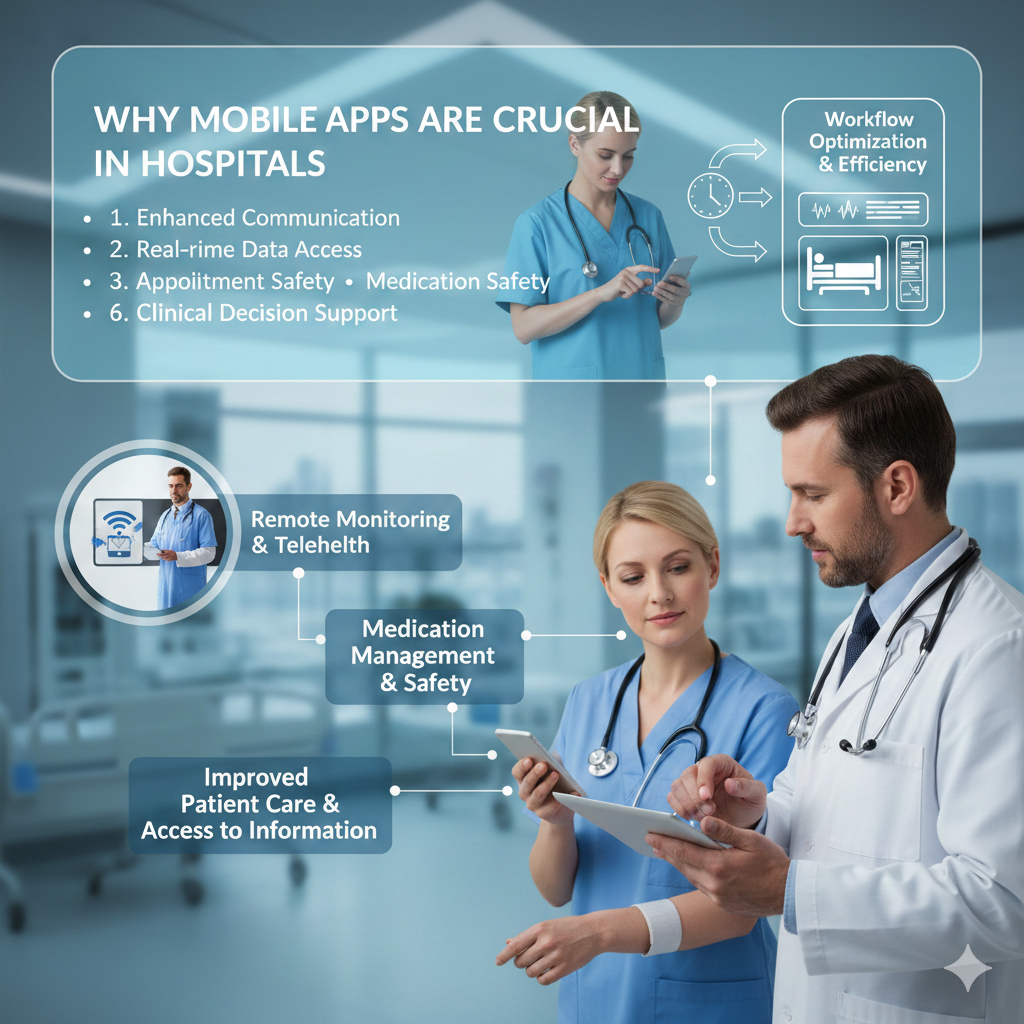
Mobile apps have become essential in hospitals because they solve problems that have existed in the healthcare industry for decades. Hospitals deal with high patient volumes, tight schedules, urgent cases, and endless paperwork. Before mobile apps, patients often had to wait in long queues just to book an appointment, pick up a report, or ask a simple question. Staff members were overwhelmed with administrative duties, doctors had limited time to manage records, and communication gaps led to delays in treatment. Mobile apps transform this entire ecosystem by introducing accessibility, order, and speed into processes that once felt chaotic.
One of the biggest reasons mobile apps matter in hospitals is that they dramatically improve patient access to medical services. Instead of visiting a facility in person or waiting on phone calls, patients can now book appointments at any time, view available time slots, and receive instant confirmations. This reduces crowding at registration counters and allows hospital staff to allocate their time more effectively. For patients, this convenience is life-changing, especially for those who need frequent follow-ups or are managing chronic conditions.
Mobile apps also support the flow of essential information. Patients can receive reminders for medications, upcoming appointments, test results, or wellness recommendations directly on their phones. This eliminates the risk of missed notifications or forgotten instructions. For doctors, apps offer an organized way to track patient histories, upload prescriptions, and monitor progress without drowning in paperwork. It creates a more structured environment where crucial information is always accessible, reducing the likelihood of human error.
Another key advantage is improved communication. Traditionally, hospitals relied heavily on in-person interactions or phone calls, which often caused delays. Mobile apps enable real-time communication through secure messaging, virtual consultations, and instant updates. This brings healthcare professionals and patients closer, even if they are not physically present. It also increases patient satisfaction by offering quick answers in situations that may otherwise cause anxiety.
Mobile apps play a big role in emergency scenarios as well. Patients can request urgent help, locate the nearest facility, or access emergency instructions with a tap. Hospitals can use apps to streamline emergency responses by sending alerts, allocating resources, and coordinating teams faster than traditional systems allow.
Overall, mobile apps create a smoother, safer, and more efficient healthcare experience. They bring order to the complexity of medical operations and empower patients by giving them control over their health journey.
Patient-Centered Care Through Mobile Apps
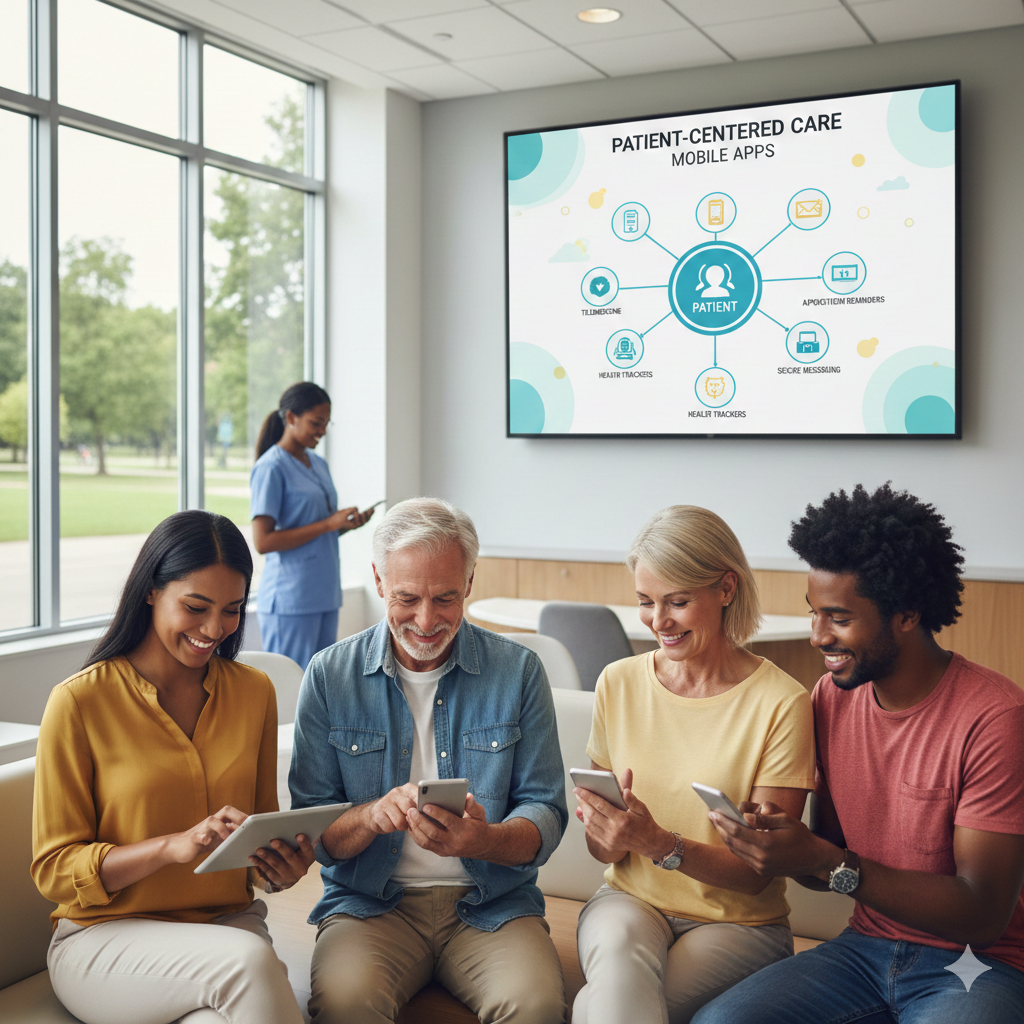
Patient-centered care has become the gold standard in modern healthcare, and mobile apps play a major role in making this approach possible. In the past, hospitals focused primarily on treatment, diagnostics, and in-person visits. While these remain crucial, today’s patients expect a more personalized experience—one where they feel informed, supported, and empowered throughout their health journey. Mobile apps allow hospitals to shift from a provider-focused model to a patient-focused one by giving individuals more control over their medical interactions.
One of the biggest advantages of mobile apps in patient-centered care is personalization. Apps can track health patterns, store medical histories, and provide tailored recommendations based on the patient’s condition. For instance, someone managing diabetes can receive reminders to check glucose levels, while another person recovering from surgery might get alerts about wound care or follow-up appointments. This tailored support helps patients stay on top of their health without feeling overwhelmed or confused.
Another major benefit is the ability to access medical records instantly. In the past, obtaining test results or health reports required multiple visits, phone calls, or waiting periods. Mobile apps eliminate these barriers by offering secure, digital access to lab results, prescriptions, treatment plans, and visit summaries. This transparency helps patients better understand their health status and makes it easier to share information with family members or specialists when needed.
Mobile apps also improve the emotional experience of healthcare. Medical visits can be stressful, especially when patients feel uninformed or unsure about the next steps. Apps provide clear instructions, appointment reminders, and direct communication channels with healthcare professionals, which reduce anxiety and uncertainty. Having this level of clarity builds trust and helps patients feel more connected to their care team.
Furthermore, mobile apps encourage active participation. Instead of being passive recipients of care, patients become partners in their own health. They can track symptoms, monitor progress, and report concerns instantly—allowing doctors to make well-informed decisions. This ongoing engagement leads to better health outcomes, fewer complications, and improved satisfaction with the overall care process.
In simple terms, mobile apps transform healthcare into a more compassionate, organized, and personalized experience. They put the patient at the heart of every decision, turning complex medical systems into something more accessible, familiar, and supportive.
How Mobile Apps Improve Hospital Efficiency

Hospital efficiency is one of the most challenging aspects of healthcare management. With constant patient flow, emergency cases, administrative responsibilities, and coordination among multiple departments, even the smallest delay can have a ripple effect across the entire system. Mobile apps help hospitals overcome these challenges by introducing digital tools that streamline operations, enhance communication, and reduce unnecessary workloads. Instead of relying on outdated manual processes, hospitals can now manage their daily functions with greater accuracy and speed.
One of the biggest ways mobile apps improve efficiency is by automating administrative tasks. Appointment booking, patient registration, record updates, billing, and reminders—tasks that once required several staff members—can now be performed automatically through an app. This reduces staffing pressure and frees up employees to focus on more critical responsibilities. It also minimizes human error, as digital records eliminate issues like misplaced files or incorrect entries that commonly occur in paper-based systems.
Mobile apps also enhance internal communication within the hospital. Doctors, nurses, technicians, and administrative staff can share information instantly, avoiding delays caused by miscommunication or missing documents. For example, lab technicians can upload test results directly to the system, allowing doctors and patients to view them immediately. Nurses can receive real-time updates about patient conditions, medication schedules, or treatment plans. This quick exchange of information improves coordination and ensures everyone is on the same page.
Another significant benefit is resource management. Hospitals need to track everything—from bed availability to equipment usage. Mobile apps help monitor these resources in real time, reducing bottlenecks and improving response times. This is especially important during emergencies or peak hours when every minute counts. With an app-based system, hospital administrators can make informed decisions quickly, improving operational flow.
Mobile apps also help reduce patient wait times, a common complaint in many healthcare facilities. By organizing appointment schedules more effectively and allowing patients to complete pre-visit requirements online, hospitals can avoid overcrowding and manage time slots more efficiently. This creates a smoother experience for both patients and staff.
In summary, mobile apps act as digital assistants that help hospitals run more smoothly. They eliminate manual bottlenecks, enhance communication, reduce workload, and create an environment where staff can deliver higher-quality care without operational stress.
Why Hotels Are Relying More on Mobile Apps Today
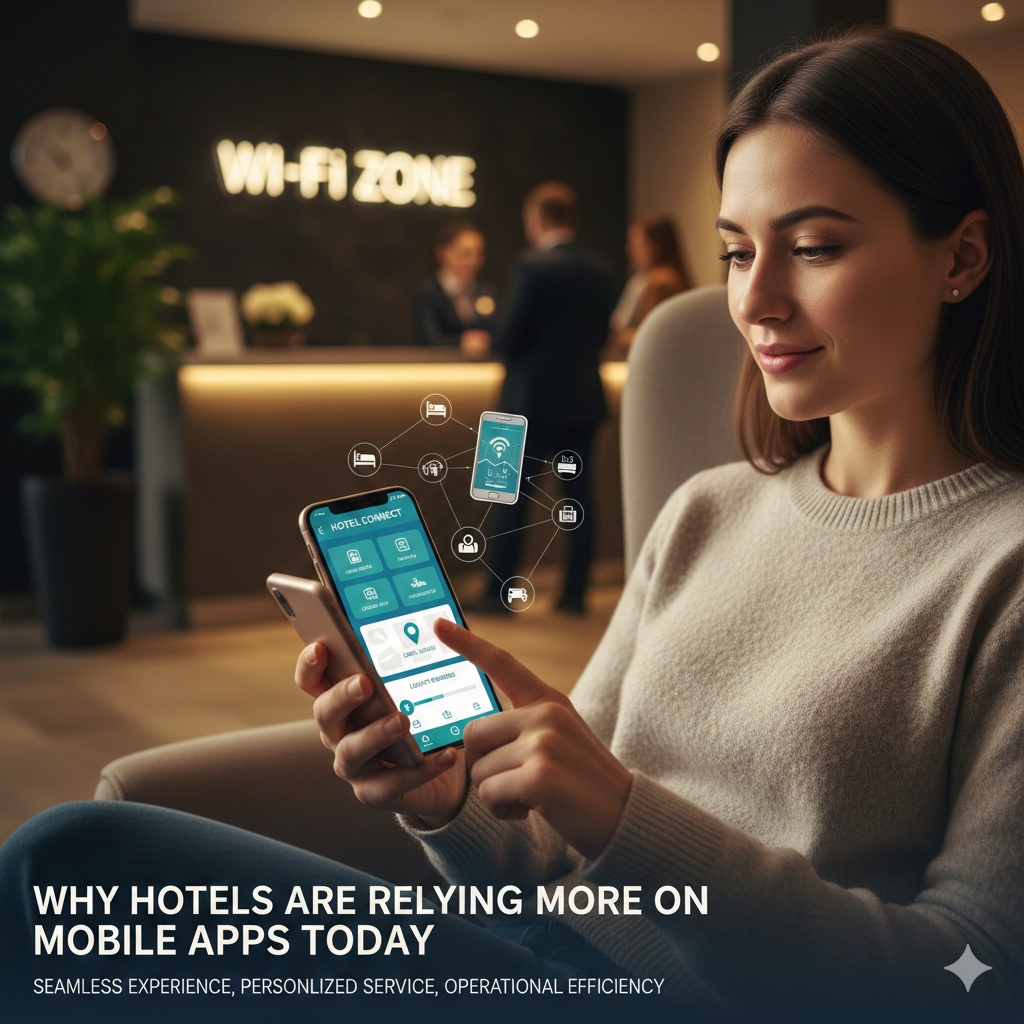
Hotels across the world are rapidly adopting mobile apps because travelers now expect digital convenience at every step of their journey. The shift in guest behavior is undeniable—today’s travelers prefer to plan, book, and manage their entire stay from their smartphones. This demand for a seamless digital experience has pushed hotels to modernize the way they operate. Instead of relying entirely on front-desk interactions or phone calls, hotels now offer mobile apps as a central hub for communication, booking, and guest services.
One of the biggest reasons hotels rely more on mobile apps is the growing desire for independence among travelers. Guests want to manage their stay on their own terms without waiting in lines or coordinating with staff for every small request. A mobile app offers this freedom. From browsing available rooms to customizing stay preferences, guests gain complete control over their experience. This independence not only boosts satisfaction but also speeds up the entire process for both the hotel and the guest.
Mobile apps also simplify the check-in and checkout process, which traditionally took a considerable amount of time. After a long journey, the last thing a guest wants is to stand in a queue and fill out paperwork. With mobile apps, guests can check in digitally, verify their identity, and even unlock their rooms using digital keys—turning what used to be a ten-minute process into a few seconds. Checkout becomes equally smooth, allowing guests to review bills, make payments, and finalize their stay directly from their phones.
Another important factor is the increased demand for contactless services. Guests value safety and cleanliness more than ever, and mobile apps allow hotels to offer a safer, touch-free experience. Instead of handling room service menus, payment devices, or front-desk paperwork, guests can access everything digitally. This reduces physical contact and enhances overall comfort, especially for those who prefer minimal interaction.
Mobile apps also help hotels manage operations more efficiently. Staff members receive real-time information about guest requests, room readiness, and service requirements. This enables faster responses and eliminates delays that could affect guest satisfaction. Hotels can run more smoothly, allocate staff more effectively, and deliver more personalized service through app-based data.
Ultimately, hotels are relying more on mobile apps today because these apps align perfectly with modern expectations—speed, personalization, independence, and convenience. This technological shift improves service quality, streamlines operations, and creates memorable guest experiences that keep travelers coming back.
Guest Personalization Through Mobile Hotel Apps
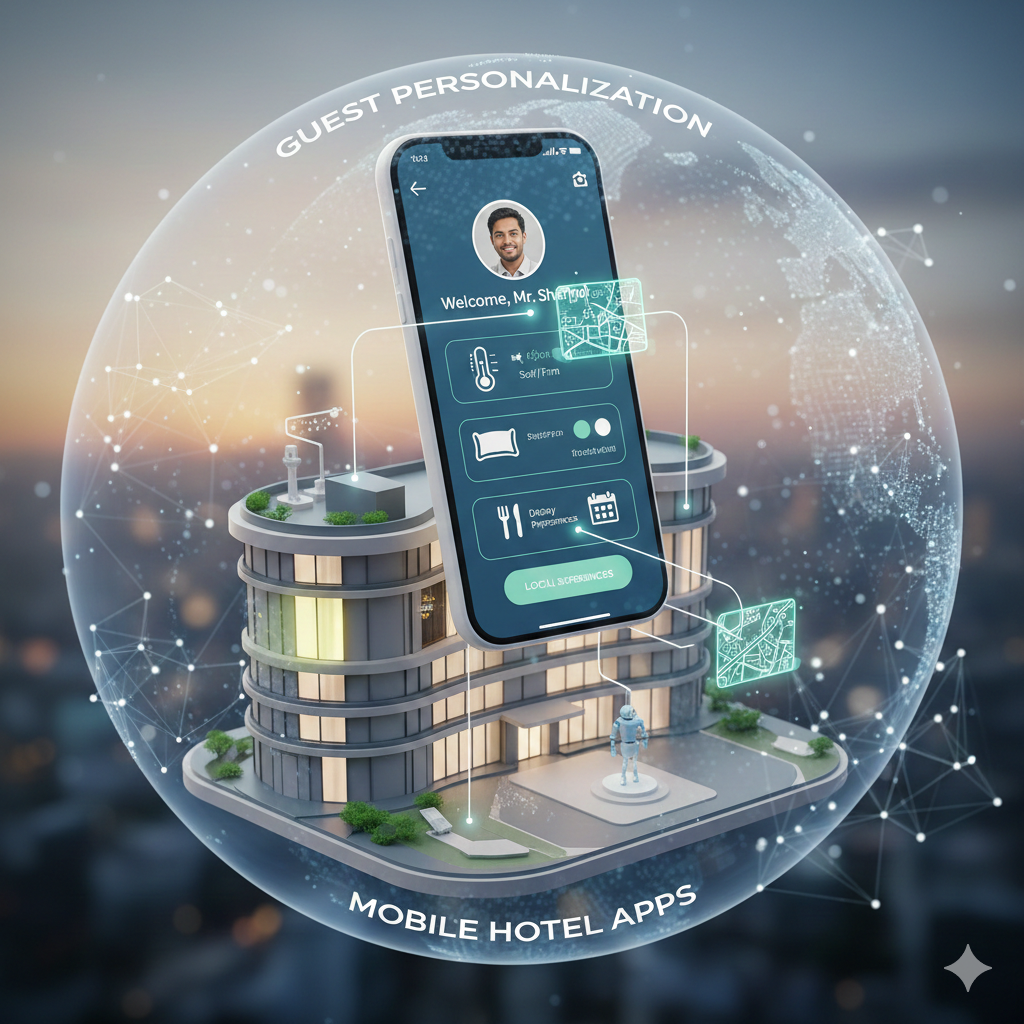
Guest personalization has become the heart of modern hospitality, and mobile hotel apps are the driving force behind this transformation. Today’s travelers expect more than a clean room and good service—they want experiences tailored to their preferences, habits, and lifestyle. Mobile apps make this possible by gathering useful insights about guests and turning them into personalized features that elevate their stay. Instead of offering a one-size-fits-all service, hotels can now deliver customized recommendations, comfort settings, and stay enhancements that feel thoughtful and meaningful.
One of the biggest ways mobile apps personalize the guest experience is by allowing travelers to customize their room preferences before arrival. Guests can choose bed types, room temperature, pillow firmness, lighting preferences, or special arrangements—all from the app. When they arrive, the room already reflects their taste, creating an instant sense of comfort and familiarity. This level of personalization makes the stay feel curated rather than generic.
Mobile apps also keep track of guest behavior and choices during previous stays. For example, if a guest always orders a certain type of breakfast or frequently uses spa services, the app can recommend these options proactively during their next visit. This creates a sense of being remembered and valued, something guests truly appreciate. Personalized suggestions don’t just enhance the experience—they also help the hotel offer the right services at the right time.
Another important aspect of personalization through mobile apps is communication. Instead of sending general notifications or irrelevant promotions, hotels can target guests with tailored messages based on their interests. Whether it’s a discount on dining, a wellness package, or nearby attractions that match the guest’s profile, personalized communication strengthens the relationship between the hotel and the traveler.
Apps also give guests the convenience of managing their stay preferences in real time. Want extra towels? Need a late checkout? Prefer a quieter room? Guests can submit requests directly in the app without waiting on the phone or visiting the front desk. This autonomy gives guests smoother control over their experience, making their stay feel effortless and enjoyable.
Finally, personalization contributes directly to guest loyalty. When travelers feel understood and cared for, they are more likely to return. Mobile apps help hotels build this emotional connection by ensuring each stay feels unique and tailored specifically for the guest.
Mobile Apps and Contactless Services
Contactless services have become one of the most important reasons hospitals and hotels rely heavily on mobile apps today. In an era where people value safety, speed, and minimal physical interaction, mobile technology provides the perfect solution. The shift toward contactless systems isn’t just a temporary trend—it has become a long-term expectation. Users want the ability to complete essential tasks without waiting in crowded spaces or touching shared surfaces. Mobile apps make this possible by offering digital alternatives to traditional, face-to-face interactions.
For hospitals, contactless services reduce the strain on waiting rooms and help maintain a safe, organized environment. Patients can register online, upload documents, check test results, and even consult with medical professionals through digital platforms. This eliminates the need for physical paperwork and in-person visits for tasks that do not require immediate contact. For vulnerable patients, such as the elderly or those with chronic conditions, contactless access can significantly reduce exposure risks. Hospitals benefit too, as staff can focus more on urgent cases rather than administrative congestion.
In hotels, contactless service has become a key feature that guests actively seek. Travelers today prefer to check in using their mobile app, receive a digital room key, and access their accommodations without stopping at the front desk. This not only speeds up the arrival process but also ensures a smoother start to the guest’s stay. Mobile apps let users order room service, request amenities, adjust room settings, and communicate with staff—all without making physical contact or waiting in person. This gives guests complete autonomy and makes their stay far more comfortable.
Another major advantage of mobile-driven contactless services is the reduction of errors. Physical transactions often lead to miscommunication, misplaced items, or incomplete requests. Apps allow guests and patients to specify their needs clearly, track updates, and receive confirmations. This digital clarity leads to fewer mistakes and faster, more accurate service delivery. Hotels can process room requests efficiently, while hospitals can ensure essential information reaches patients without confusion.
Contactless features also streamline safety protocols. Instead of handling cash or paper documents, payments and data transfers happen digitally. This significantly reduces the risk of contamination and enhances the overall sense of hygiene and security. Whether it’s a patient submitting a form or a hotel guest paying for a service, mobile apps make every step safer and more efficient.
In both industries, contactless technology has become a powerful tool for meeting modern expectations. It provides comfort, speed, and reliability—qualities that define the future of service delivery.
How Mobile Apps Boost Customer Satisfaction
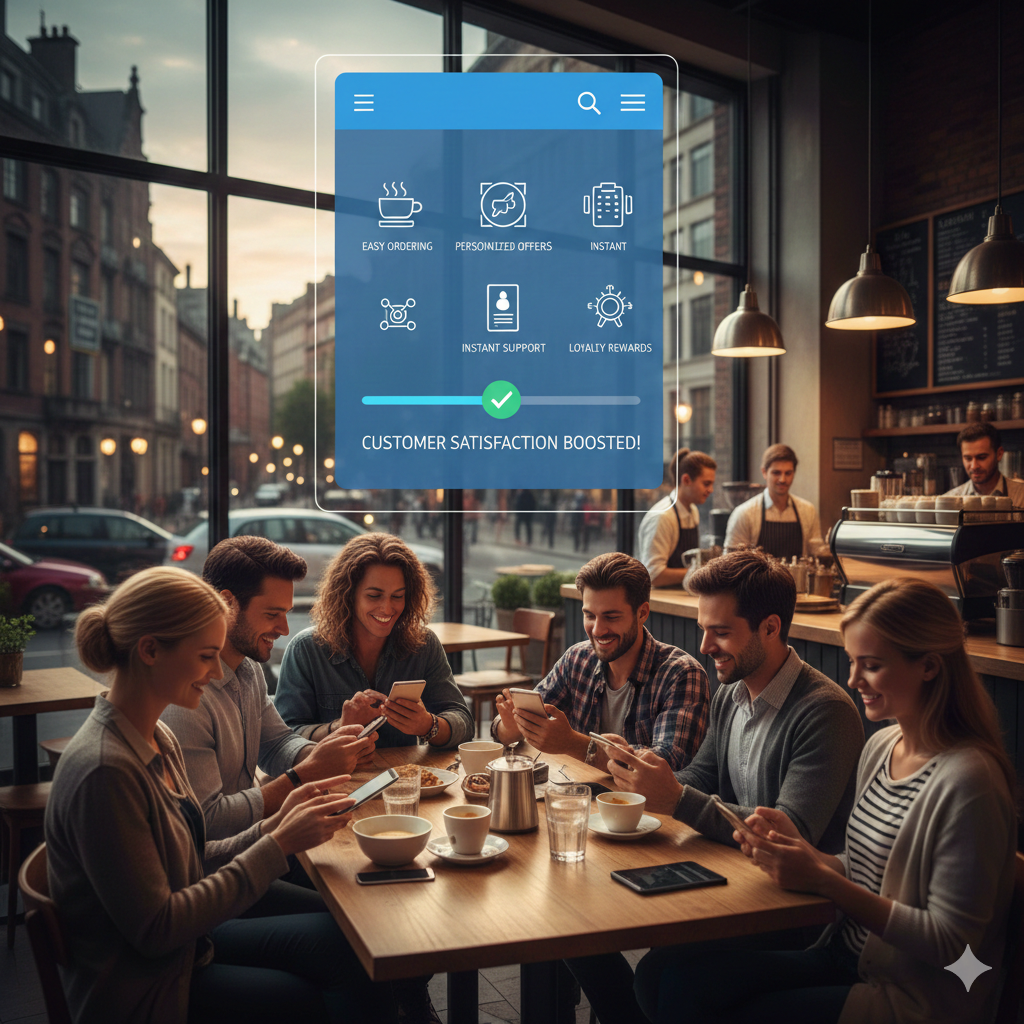
Customer satisfaction is the foundation of both healthcare and hospitality, and mobile apps have become one of the most powerful tools for improving it. People expect services that are quick, transparent, and easy to navigate. Whether someone is visiting a hospital or staying at a hotel, a good experience makes all the difference. Mobile apps help meet these expectations by removing unnecessary complications, speeding up processes, and giving users a sense of control and comfort.
One of the biggest ways mobile apps boost satisfaction is by providing instant access to information. In hospitals, patients no longer have to wait for phone calls or visit in person just to confirm a report or check appointment details. In hotels, guests don’t have to wonder about check-in times, dining hours, or available amenities. Everything is displayed clearly in the app. This instant, self-service access reduces frustration and improves trust because users feel fully informed at all times.
Mobile apps also offer real-time communication, which is essential for delivering fast and efficient service. Instead of waiting on the phone or searching for staff, users can send messages directly through the app. For patients, this means quicker answers to health concerns. For hotel guests, this means swift responses to room service requests, housekeeping needs, or general inquiries. This direct line of communication reduces delays and ensures that help is always available when needed.
Another important contributor to customer satisfaction is transparency. Mobile apps allow hospitals and hotels to show real-time updates—such as appointment timings, room availability, service status, billing details, and more. This eliminates uncertainty and gives customers confidence that the service provider is organized and reliable. In industries where delays and confusion are common, transparency becomes a major competitive advantage.
Personalization also plays a huge role. Apps use user data—preferences, previous visits, behavior patterns—to deliver customized recommendations. Whether it’s suggesting a wellness plan in a hospital app or recommending nearby activities in a hotel app, personalized content makes users feel valued. This emotional connection significantly boosts satisfaction and increases loyalty.
Another big factor is the reduction of waiting time. Long lines and delays are some of the biggest complaints in both hospitals and hotels. Mobile apps streamline check-ins, manage queues, organize appointments, and speed up service requests. When users can skip the wait and get immediate access, their overall experience becomes much more positive.
In summary, mobile apps increase customer satisfaction by making services faster, clearer, more personalized, and more convenient. They replace stress with simplicity and uncertainty with confidence—creating an experience people genuinely appreciate.
Cost Reduction Through Mobile App Automation
Cost reduction is one of the most powerful advantages of mobile apps for hospitals and hotels. These industries operate with high overhead expenses, large staff teams, and constant demand for speed and accuracy. Managing everything manually not only increases costs but also creates inefficiencies that slow down daily operations. Mobile apps help solve these challenges by introducing automation—reducing the need for repetitive labor, cutting down administrative workloads, minimizing errors, and optimizing resource usage.
In hospitals, administrative tasks are among the most time-consuming and costly parts of operations. Traditional systems require staff to handle appointment scheduling, patient registration, document management, record keeping, and follow-up reminders manually. Each task may seem small on its own, but combined, they consume a significant amount of time and salary resources. Mobile apps automate these processes almost entirely. Patients can book appointments, update their information, receive digital notifications, and access reports without staff involvement. This drastically reduces staffing needs and shifts human workers to areas that require critical thinking and direct care.
Errors also cost hospitals money. Misplaced files, incorrect data entry, overlooked appointments, or communication breakdowns can lead to delays, repeated tests, or even legal complications. Mobile apps minimize these issues by storing everything digitally, syncing information in real time, and reducing the chance of human mistakes. Fewer errors mean fewer financial losses, fewer rework tasks, and smoother operations across all departments.
For hotels, mobile apps play a huge role in reducing labor costs. Many guest services that previously required staff intervention—like check-in, concierge assistance, room service requests, and information sharing—are now managed through the app. Guests can complete these tasks on their own without waiting for employee assistance. This allows hotels to reduce front-desk and administrative staffing requirements without sacrificing service quality. Automation also improves consistency, ensuring that every guest receives timely service without delays caused by staff shortages or peak-hour rushes.
Additionally, mobile apps help hotels optimize resource usage. For example, housekeeping schedules can be automated based on real-time room status updates. Instead of cleaning rooms that are still occupied or repeatedly checking availability manually, cleaners receive automated notifications when rooms are ready. This saves time, reduces unnecessary labor, and keeps housekeeping operations efficient. Similar automation applies to maintenance requests, energy usage, and service delivery—creating a more cost-effective workflow.
Mobile apps also encourage digital payments, reducing the need for cash handling and expensive billing infrastructure. For both hospitals and hotels, this decreases transaction costs and streamlines accounting processes. Digital receipts, automated invoicing, and integrated payment systems reduce paperwork and eliminate the need for manual billing verification.
Overall, mobile apps help hospitals and hotels reduce operational costs by improving accuracy, minimizing labor needs, increasing resource efficiency, and cutting down on unnecessary tasks. These savings allow both industries to reinvest in better services, advanced technologies, and improved facilities—creating a sustainable cycle of growth.
Why Mobile Apps Improve Data Management
Data management plays a crucial role in both hospitals and hotels, and mobile apps have transformed how this information is collected, stored, and used. In the past, data in these industries was scattered across paper files, handwritten forms, physical logs, and outdated systems. This made it difficult to track information accurately, analyze trends, or make informed decisions. Mobile apps introduce an organized, digital structure that simplifies data handling and significantly improves reliability, security, and accessibility.
In hospitals, accurate data is essential for patient safety and treatment quality. Every piece of information—from medical history to prescriptions—can impact the decisions made by healthcare professionals. Mobile apps strengthen this process by storing patient data in secure digital formats that can be accessed instantly. Doctors no longer need to sift through piles of paper or wait for files to be transferred between departments. Instead, they can view clinical records, test results, and treatment plans directly within the app. This reduces delays and allows for faster, better-informed medical decisions.
Mobile apps also enhance data accuracy by minimizing manual entry. Mistakes often occur when information is written by hand or communicated verbally. But when patients input their details directly into the app or when hospital devices sync information digitally, the risk of human error drops significantly. This accuracy not only protects patient health but also prevents administrative complications, financial discrepancies, and legal issues that can arise from incorrect data.
For hotels, mobile apps provide a centralized platform to track guest preferences, booking histories, service requests, feedback, and spending patterns. This information helps hotels tailor their services to match guest expectations, create personalized offers, and improve operational planning. Instead of guessing what guests want, hotels can rely on actual data—making their services more efficient and customer-focused. Better data leads to better decision-making, allowing hotels to adjust staffing levels, manage resources, and introduce services that align with guest behavior trends.
Another major benefit is real-time data availability. Both hospitals and hotels operate in fast-paced environments where timely information can prevent delays and improve overall service quality. Mobile apps ensure that data is updated instantly whenever a new action is taken—whether a patient books an appointment or a guest requests housekeeping. Real-time syncing ensures smooth coordination across departments and reduces confusion.
Security is another critical advantage. Mobile apps are equipped with encryption, authentication tools, and secure cloud storage to protect sensitive information. With stricter digital protections, both hospitals and hotels can reduce the risk of data breaches and build trust with users who expect their personal information to remain confidential.
Additionally, mobile apps allow industries to analyze trends and forecast needs. Hospitals can predict peak patient hours, resource shortages, or common medical conditions during specific seasons. Hotels can analyze occupancy rates, guest spending habits, and service popularity. These insights support better planning and long-term strategies.
In summary, mobile apps improve data management by making information more accurate, organized, accessible, secure, and useful. They turn raw data into actionable insights and create a smooth digital environment where operations run more intelligently and efficiently.
Technology Trends Driving Mobile App Growth in Hospitals and Hotels
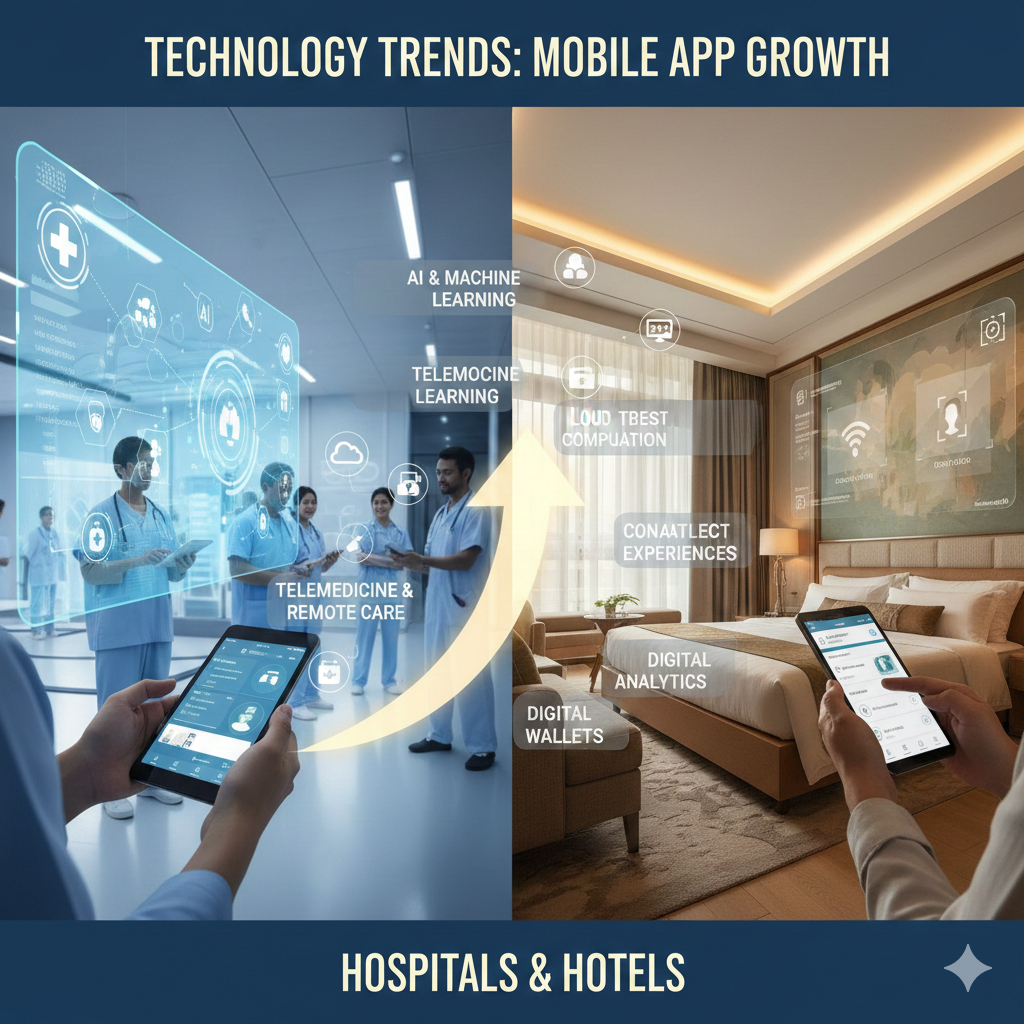
Technology is evolving faster than ever, and hospitals and hotels are taking full advantage of these advancements to improve their services. Mobile apps are no longer simple tools for booking appointments or reserving rooms—they’re now powered by intelligent technology trends that create smarter, more intuitive, and more responsive user experiences. These innovations help hospitals and hotels keep up with rising customer expectations, streamline operations, and stay competitive in a digital-first world.
One of the biggest technology trends driving mobile app adoption is automation. Automated systems manage tasks that once required manual work, such as appointment scheduling, check-in processes, record updates, and service requests. Automation reduces the workload for staff, minimizes human errors, and ensures that customers receive quick, consistent services. In hospitals, automated notifications help patients stay on track with medications, wellness routines, and follow-up visits. In hotels, automated housekeeping schedules, room readiness alerts, and service tracking create a smoother operational flow.
Artificial intelligence (AI) is another transformative trend shaping mobile apps. AI makes apps smarter by learning user behavior and delivering personalized recommendations. For example, hospital apps can analyze health data to offer customized wellness tips or predict possible conditions based on symptoms. Hotel apps use AI to suggest amenities, dining options, or activities based on a guest’s past behavior. AI-powered chat support also offers instant answers, reducing wait times and enhancing communication without requiring additional staff.
Internet of Things (IoT) technology is also becoming popular in both industries. IoT connects devices and systems, allowing mobile apps to control physical environments. In hotels, IoT-enabled rooms let guests adjust lighting, temperature, curtains, and entertainment systems directly through the app. This creates a futuristic, personalized room experience. In hospitals, IoT devices monitor patients’ vital signs, track equipment, and provide live updates to healthcare professionals, improving the quality of treatment.
Cloud integration is another important trend. Cloud-based apps store data securely and allow real-time syncing across multiple devices and departments. Hospitals use cloud technology to keep medical records updated and accessible, while hotels use it to manage bookings, staff schedules, and service data efficiently. Cloud systems also improve reliability and reduce the risk of data loss.
Another growing trend is digital payment integration. Both hospitals and hotels are moving toward cashless transactions for speed, safety, and accuracy. Mobile apps now support secure online payments, digital receipts, subscriptions, service charges, and more—making the financial side of service smoother and more transparent.
Finally, data analytics plays a major role in the growth of mobile apps. Apps collect important data about user behavior, service performance, and operational efficiency. Hospitals analyze this data to improve patient care, allocate resources better, and understand treatment outcomes. Hotels use analytics to improve marketing strategies, enhance guest experiences, and predict travel trends. Data-driven decision-making creates a stronger foundation for long-term growth.
These technological trends are transforming mobile apps into intelligent, essential tools that redefine how hospitals and hotels operate. They improve efficiency, elevate service quality, and create more personalized experiences—making digital transformation not just an option, but a necessity.
Future of Mobile Apps in Hospitality and Healthcare
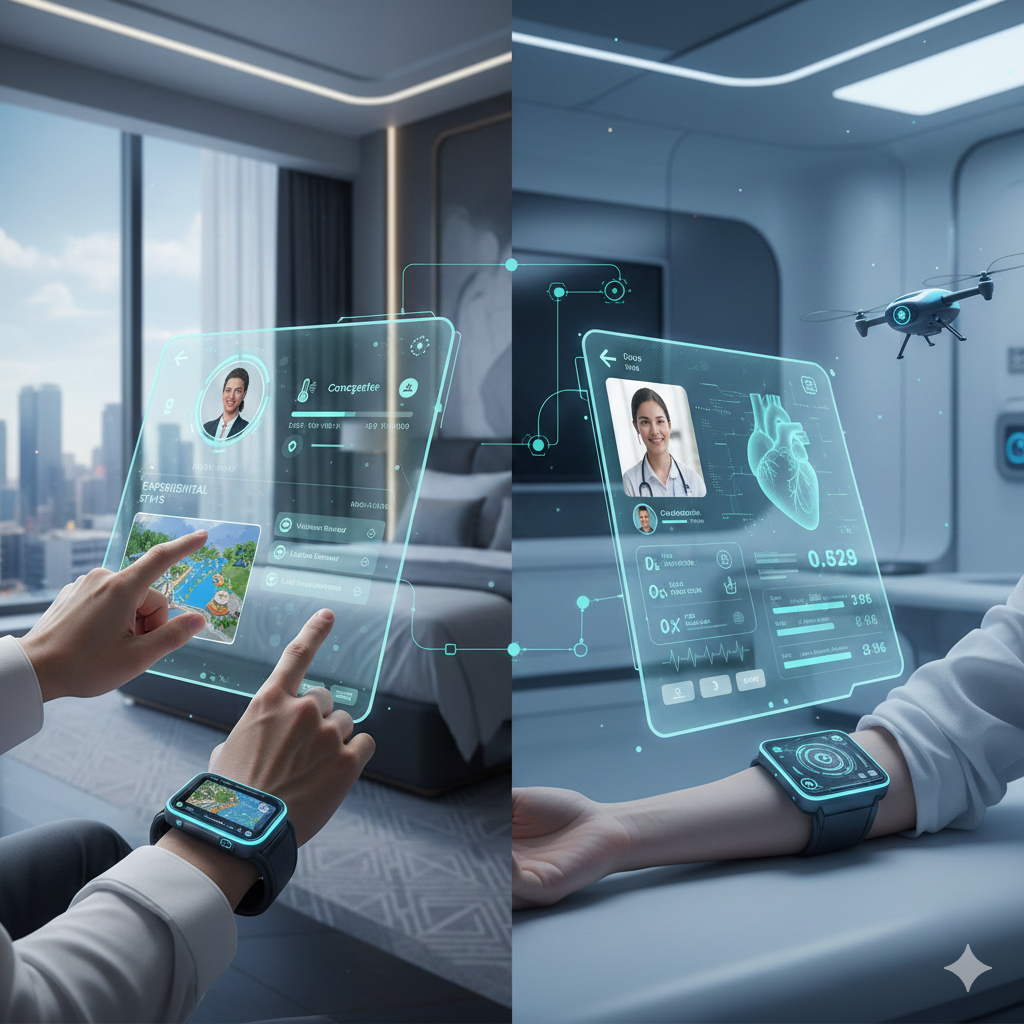
The future of mobile apps in both hospitals and hotels is incredibly promising, driven by rapid advancements in technology and changing user expectations. What began as simple tools for booking services has now evolved into highly intelligent systems capable of transforming entire industries. As technology continues to advance, mobile apps will become even more essential, offering deeper personalization, greater automation, and more innovative ways to enhance user experience. The future isn’t just digital—it’s smart, intuitive, and interconnected.
In hospitals, the next generation of mobile apps will focus heavily on predictive healthcare. Instead of reacting to health issues as they arise, apps will use health data, wearable devices, and real-time monitoring to anticipate potential problems before they become serious. Imagine an app that alerts patients about early symptoms of chronic disease or warns them when lifestyle habits put their health at risk. This proactive care model will allow doctors to intervene early, improving health outcomes and reducing hospital visits.
Remote healthcare will also continue to grow. Virtual consultations, digital therapy sessions, remote monitoring tools, and AI-driven symptom checkers will become even more advanced. Patients will be able to receive high-quality care without leaving their homes, which is especially useful for elderly individuals, people in rural areas, and those with mobility challenges. Apps will act as a bridge between hospitals and patients, allowing continuous care beyond hospital walls.
For hotels, the future of mobile apps lies in creating immersive digital experiences. Guests will be able to control their entire stay with their phones—from unlocking doors to adjusting room environments to accessing virtual concierge services powered by AI. Augmented reality features may allow guests to preview rooms, tour hotel facilities, or explore nearby attractions before making decisions. Personalized travel recommendations will become more accurate, matching guests with experiences based on their habits, interests, and past stays.
The integration of smart devices will also redefine the hospitality experience. Imagine walking into a room where the lighting, temperature, and entertainment system automatically adjust to your usual preferences—all controlled through your mobile app. Hotels will use data from apps to improve their services, optimize energy usage, and reduce operating costs while enhancing guest comfort.
Another important trend will be stronger security features. With more sensitive data being exchanged digitally, both industries will focus on secure authentication methods such as biometric identification, encrypted communication, and advanced privacy protocols. This will help build trust and encourage more users to rely on mobile apps for important services.
Sustainability will also play a huge role in future mobile app development. Digital receipts, paperless check-ins, eco-friendly room controls, and smart resource monitoring will help reduce waste and support environmental goals. Apps will enable hospitals and hotels to operate more responsibly and efficiently while giving users tools to make greener choices.
Ultimately, the future of mobile apps in hospitality and healthcare is about empowering users. Apps will become personal assistants, health partners, travel guides, and service managers—all in one. They will create smoother, safer, and more intuitive experiences that make life easier. As expectations continue to rise, hospitals and hotels that embrace these digital innovations will lead the industry forward, offering unparalleled convenience and efficiency powered by intelligent technology.
Conclusion
Mobile apps have completely transformed how hospitals and hotels operate, turning slow, traditional processes into fast, efficient, and user-friendly digital experiences. What once required long queues, repeated phone calls, and endless paperwork can now be done in seconds through a smartphone. This shift is not just about adopting new technology—it’s about redefining the entire customer journey. Hospitals use mobile apps to offer better patient care, reduce wait times, streamline communication, and make healthcare more accessible. Hotels use them to provide seamless check-ins, personalized stays, contactless services, and smart-room experiences that travelers now expect.
The rise of mobile apps is driven by user behavior, technological advancements, and the need for efficiency. Automation, AI, IoT, and cloud technology have turned apps into powerful tools that improve accuracy, reduce costs, and enhance overall service quality. The result is a smoother experience for users and a more organized, productive workflow for staff. Whether someone is seeking medical care or enjoying a hotel stay, mobile apps ensure comfort, clarity, and convenience at every step.
Looking ahead, mobile apps will continue to evolve, becoming even more intelligent, personalized, and intuitive. Healthcare will move deeper into remote monitoring and predictive care, while hotels will continue enhancing smart-room technology and guest personalization. The industries that embrace these innovations will lead the future with services that feel effortless and deeply human-centered.
Mobile apps are no longer optional—they’re indispensable. They bridge the gap between people and essential services, making everyday interactions faster, safer, and more meaningful. And as technology advances, their role will only grow.
FAQs
- Why are mobile apps becoming essential in hospitals today?
Mobile apps provide faster access to appointments, test results, and records while improving communication, reducing wait times, and helping staff work more efficiently. - How do mobile apps improve guest experiences in hotels?
They offer contactless check-in, digital room keys, personalized services, faster communication, and complete control over room settings and service requests. - What are the main benefits of automation in mobile apps for these industries?
Automation reduces labor costs, minimizes errors, speeds up processes, and ensures consistent service delivery without overwhelming staff. - How do mobile apps make healthcare safer for patients?
They provide accurate data storage, real-time communication, digital reminders, remote care options, and clarity that prevents medical errors and delays. - Will mobile apps continue to grow in importance for hospitals and hotels?
Absolutely. As technologies like AI, IoT, and cloud systems evolve, mobile apps will become even more advanced—offering smarter, more personalized experiences.




Leave a Reply